
Seams and Design
Why buy a pattern?

Changing fitting from being a diagnosis of body part issues towards one of establishing a body-design relationship requires both parties to understand each other, as for any relationship.
I started making my own clothes out of need. When I heard terms like ‘the cut’ of a Charles James sleeve it sounded deliciously pretentious but I had no idea what that meant. It was later on I realized this simply referred to cutting flat cloth into pieces which get assembled to create garments. There being an infinite number of ways to cut cloth there are an infinite ways to create garments. As makers, we understand the design from the POV of contractors, taking the raw materials to the finished product.
For example, take a basic tube:
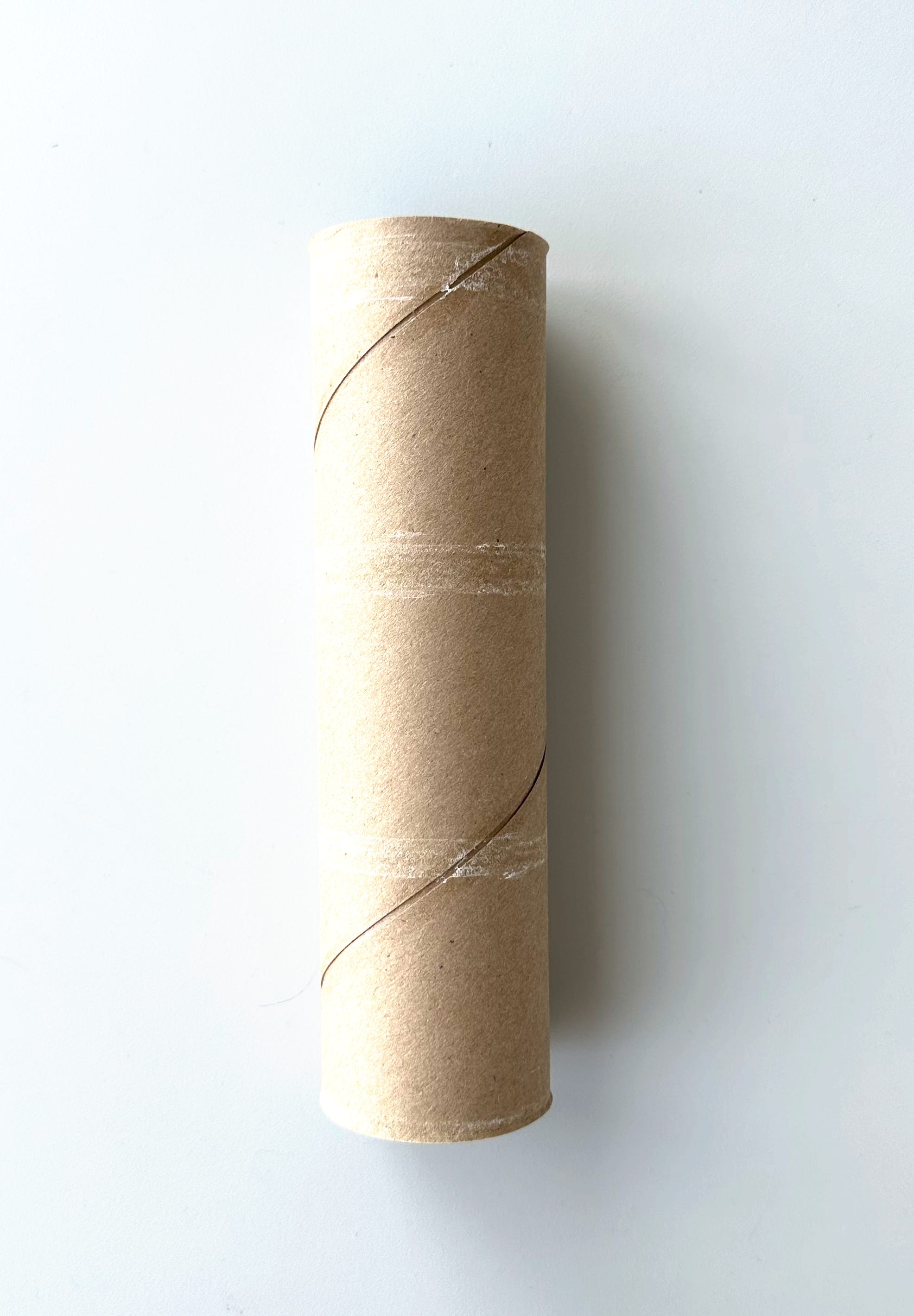
Put the empty toilet roll into water. The seam holding it together dissolves and the tube spontaneously unrolls (search with the terms toilet roll and bunting to see several examples1).
Pretty cool, but what made me jump out of my seat when I saw this was that the unrolled flat cardboard shape was a lozenge; the tube is cut on the bias!
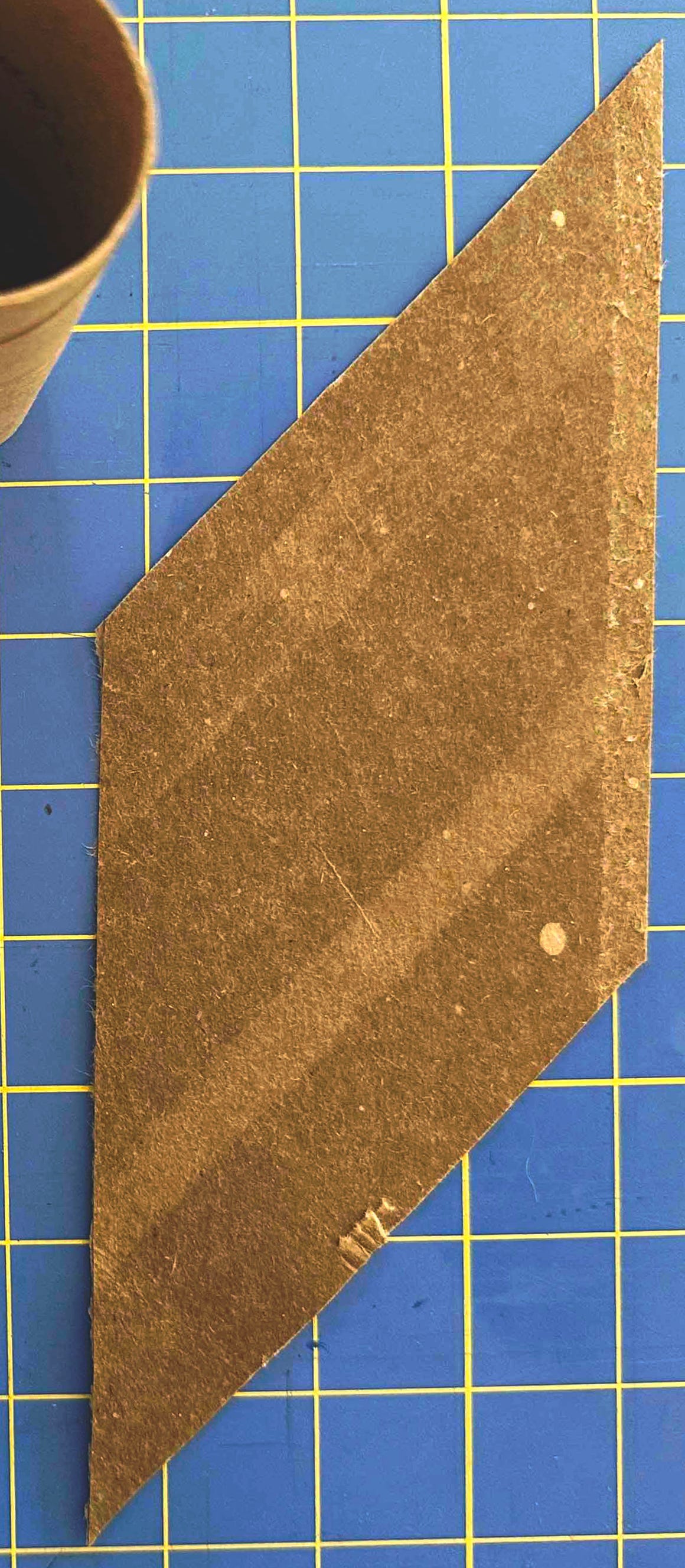
I guess I naively expected it would be created from a rectangle. Much simpler.
TWO different cuts, for the SAME silhouette!

Why is the cardboard of the toilet roll cut this way and what can this tell us about clothing design?
To answer the first question, download the Toilet Roll Test pdf file. Print scaled to fit on any regular printer (A4 or US letter).
